Home > Advice > Skin Concerns > Sun damage and why and how we should protect our skin from the Sun.
Sun damage and why and how we should protect our skin from the Sun.

The Sun causes us to age 80% faster by causing free radical damage within the skin. Free radical damage occurs as we age but this is accelerated by sun exposure.
The skin can become leathery looking and thicker.
The Sun can cause pigmentation problems. Especially as we age and with hormones level changes.This can also occur in pregnancy and whilst taking hormone contraception.
Excessive sun exposure can cause sensitivity which can lead to rosacea.
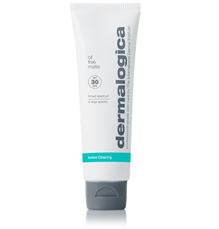
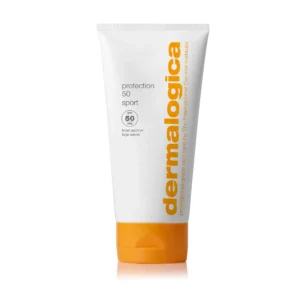
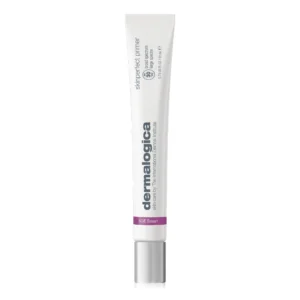
We should wear a sun protection every single day even in the winter. This can be applied as a separate SPF but can also be found in moisturisers, primers or make up. It is far more effective to layer products with SPF in them giving a thicker protection. A minimum of SPF 15 is recommended although now several moisturises have even an SPF 50 in them.
Don’t just rely on your make up having an SPF in it.
The problem with relying on the SPF in your makeup is that you’re just not getting enough of it. You should wear at least an SPF of 15, but an SPF of 30 is ideal. The easiest solution is to use a moisturiser or primer (or both!) that also contain sunscreen. It’s ok to have sunscreen in your makeup, but consider it an added bonus, not your main safeguard.
Any product with an SPF in it is categorised as an anti ageing product.
Every skin colour should be protected from the sun due to the risk of skin cancer. A suncream needs to have a UVA and UVB protector within them.
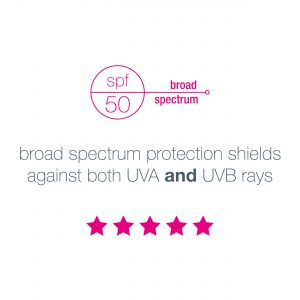
Broad Spectrum
UVA rays are the longest rays in the spectrum, and they penetrate deeper into the skin. UVA rays cause damage at a cellular level, making them responsible for most skin cancers and the main cause of visible ageing in the form of wrinkles, sagging and sun spots.
Other signs of damage are small blood vessels and spider veins on the face, neck and chest. UVA reaches the skin all year round including the winter months. It also goes through glass including most car windows and is present on cloudy days as well as sunny days. Protecting daily with a broad spectrum ( both UVA and UVB) sunscreen should be included in everyone’s skin care regime.
Acne can peak in the run up to a holiday, going away can often be quite a stressful time. As we unwind
and relax, our stress hormones will begin to level out and eventually dwindle. Stress hormones will target sebaceous glands which is why acne is a symptom
of stress. UV exposure will have a temporary drying effect on the skin and the redness is replaced by a tan. We may be in and out of salt water and chlorine which can also dry up spots. Overall we feel that our acne has cleared…wrong! We risk sun damage, ageing, dehydration and pigmentation (especially if using certain medications).
A temporary tan is never worth the damage that can occur by not wearing a sunscreen. There are plenty of SPF options for oily or problem skins that will not make the skin worse but keep it hydrated and prevent more serious damage.
Adding another layer on top of an existing layer of sunscreen does not double the sun protection factor. Two layers of an SPF 15 sunscreen remains an SPF 15 and does not become an SPF 30. Re-apply every 2 hours if outside in summer months or on holiday in the sun.
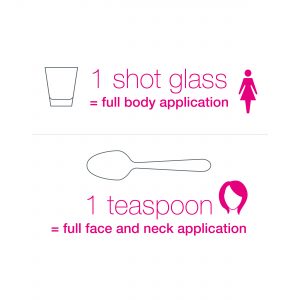
How Much Do You Need Image
A teaspoon for face and neck is a good rough guide, better to be more generous than to skimp though. More importantly, to ensure an SPF is doing its job it needs to be applied 30 mins prior to sun exposure, so don’t wait until you are on the beach before applying. Remember you need to re-apply regularly, especially if swimming, sweating or if removing with a towel, think about when eating drinking and wiping your mouth.
You might prefer to use a shot glass for something stronger, but this is a great way to remember your sunscreen. Of course there will be variants depending on the amount of the exposed areas, this is a guide, better to be more generous than to skimp. More importantly to ensure an SPF is doing its job it needs to be applied 30 mins prior to sun exposure, so don’t wait until you are on the beach before applying. Remember you need to re-apply regularly, especially if swimming, sweating or rubbing sand off legs feet etc.
PROTECT YOUR SKIN, ITS YOURS FOR LIFE !!!!