The Science Behind Exosomes
What Are Exosomes?
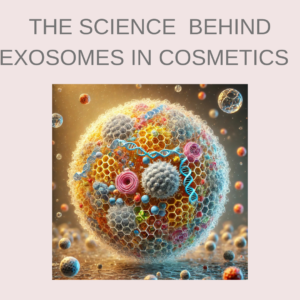
Exosomes are tiny messengers naturally produced by stem cells. They carry important information between cells, helping to repair and regenerate the skin. Because of their ability to improve cell function, they are becoming an exciting addition to skincare, anti-ageing treatments, and post-procedure recovery.
Exosomes contain powerful ingredients like proteins, lipids, and genetic material (DNA and RNA), which help guide skin cells on how to repair and renew themselves. They also play a key role in reducing inflammation, making them beneficial after treatments like microneedling, laser, or peels.
How Do They Work?
Exosomes are formed within the cells and released when needed. Once they reach their target cells, they deliver their contents, stimulating natural processes that improve skin health.
Their benefits include:
✔ Stimulating fibroblasts – the cells responsible for producing collagen and keeping skin firm and youthful
✔ Reducing melanin production – helping with pigmentation concerns and promoting an even skin tone
✔ Combating oxidative stress – protecting skin from environmental damage and ageing
✔ Aiding wound healing and reducing inflammation – speeding up recovery after aesthetic treatments
By enhancing the skin’s ability to heal and regenerate, exosomes offer remarkable benefits for rejuvenation, repair, and overall skin health.
The Potential of Bacterial Exosomes from Lactobacillus
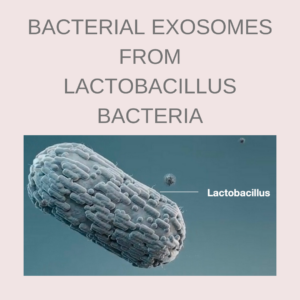
What Are Lactobacillus Exosomes?
Lactobacillus is a type of beneficial bacteria commonly found in probiotics and the skin’s microbiome. Exosomes derived from Lactobacillus contain unique proteins and bioactive molecules that can help strengthen the skin barrier and support overall skin health.
How Do They Benefit the Skin?
Lactobacillus exosomes may work more naturally with the skin because they come from bacteria already recognised by the skin’s microbiome. This means they can integrate more easily, making them a promising ingredient in skincare for:
✔ Strengthening the skin barrier – improving protection against environmental stressors and irritation
✔ Enhancing skin resilience – helping skin recover from damage and maintain a healthy balance
✔ Supporting skin rejuvenation – promoting a smoother, healthier complexion
By reinforcing the skin’s natural defences and working in harmony with its microbiome, Lactobacillus exosomes have the potential to enhance skin health in a gentle yet effective way.
The Discovery of “Exosome Trading” for Skin Regeneration
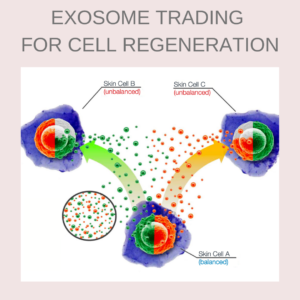
How Do Exosomes Help Balance the Skin?
Your skin cells naturally release exosomes to communicate and support each other. When the skin is damaged or irritated, unhealthy cells struggle to function properly. However, they can absorb exosomes from healthier cells, helping to restore balance and improve skin health.
This process works like a “trade” between cells—where damaged cells receive the support they need to regenerate. By applying a concentrated amount of exosomes through skincare or treatments, this natural balancing effect can be enhanced, promoting healthier, more resilient skin.
How Exosomes Support Skin Repair
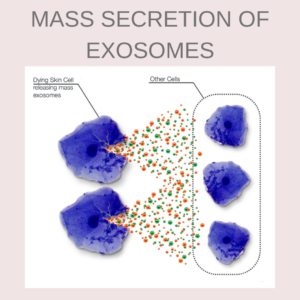
When skin cells are damaged—whether from stress, ageing, or treatments—they release a large number of exosomes. These exosomes act as signals, telling nearby healthy cells to begin the repair process. This helps stimulate new cell growth and supports skin regeneration, making exosomes a powerful tool for healing and rejuvenation.
By applying exosomes through advanced skincare treatments, we can enhance this natural repair process, promoting healthier, more resilient skin.
Learn about Dermalogica’s new Exo booster