

Lots of sunscreens contain ingredients which harm coral reefs and cause coral bleaching.
Luckily, mineral-based, reef-safe SPF is now at the forefront of the industry, so that we can care for our skin without harming our ecosystem 🌎
We are very proud to share with you TWO fantastic articles where Prisma Protect SPF30 has been included in reef-friendly features!
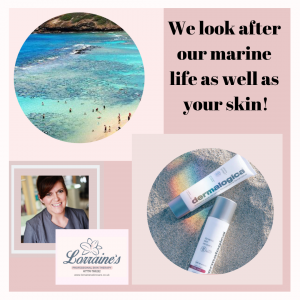
With summer approaching, remind your clients that Prisma Protect SPF30 is essential for not only protecting the skin, but also our ecosystem.
Stylist Magazine: https://www.stylist.co.uk/beauty/reef-safe-sunscreen-best-spf-face-cream-environmentally-friendly-skincare-where-to-buy/263471
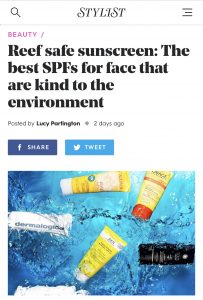
Glamour Magazine: https://www.glamourmagazine.co.uk/gallery/best-reef-friendly-spf
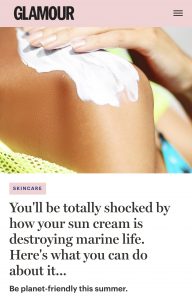
Coral reefs are being bleached – and killed – as a result of our SPF usage. But there is a way to protect yourself and the future of our oceans.
Ask any dermatologist and they’ll tell you that wearing SPF every single day is one of the most important things you can do to protect your skin against UV rays (which can cause cancer and account for 90% of skin ageing). But what happens when the very thing that’s defending you is also harming the environment?
Scientists estimate that up to 14,000 tons of sunscreen washes off us and into the oceans every year. Two chemicals in particular – oxybenzone, which absorbs UV rays and is found in 3,500 brands of sunscreen, and octinoxate, which soaks up UVB rays – have been found to seriously harm coral. Last summer, Hawaii became the first US state to pass a bill banning the sale of products containing the chemicals.
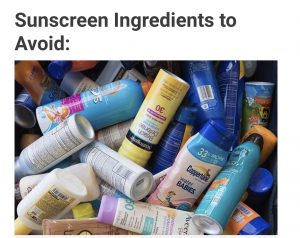
“[Chemicals] can disrupt coral endocrine systems, causing baby coral to encase themselves in their own skeletons and die,” says Emma Whittle, senior biologist at the National Marine Aquarium. “They can also cause damage to coral DNA, making them unable to reproduce. This can trigger a widespread decline in coral populations, as well as making them more susceptible to bleaching and putting marine life that depends on the habitats at risk.”
In response, mineral-based, reef-safe SPF is now at the forefront of the beauty industry, so you can care for your skin without harming our ecosystem.
Keep scrolling to discover the formulas you’ll want to stock up on.
So what’s the problem with a regular SPF? Well, lots of sunscreens contain ingredients such as oxybenzone and octinoxate, which harm coral reefs and cause coral bleaching. These ingredients can also damage the coral’s DNA so badly that they’re unable to reproduce, thus putting the marine life that inhabits them at major risk. Likewise, aerosol sunscreens can also spray harmful ingredients into the sand, further polluting the planet.
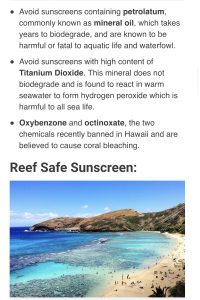
And with summer fast approaching, we’ve been looking into SPF alternatives that won’t damage our coral reefs or the marine life that reside in them. Enter reef-friendly SPFs.
Instead, you should opt for a broad spectrum, non-nano mineral sunscreen with zinc oxide if you want to protect yourself in the sun whilst saving the planet.
Thankfully, brands are taking note by launching reef-friendly SPFs.
Caudalie, for one, is banning controversial suncare filters from its formulas, to create an effective filtering system that obviously still protects skin from the sun but isn’t detrimental to the planet. After examining the 25 sun filter molecules authorised in Europe, the brand has eliminated chemical filters suspected of being endocrine disruptors (such as octinoxate, octocrylene and nanoparticle filters), as well as the filters known to be toxic to the marine eco-system (Oxybenzone and Octinoxate) which kill thousands of corals every year.
Caudalie has therefore selected only four filters, compared to the seven to nine generally used in suncare products. These four complementary filters, formulated at a lower dosage than the market average, provide maximum SPF UVA and UVB protection so it’s a win-win.
Plus, they are water-resistant, do not contain hydrosoluble filters and
are highly biodegradable, all which help protect the marine environment.
The last time you were sat on a sun-drenched beach sipping Whispering Angel whilst slathering on your sun cream, we bet you didn’t spare a thought for the millions of coral reefs and marine life you could be killing. We don’t blame you; we’ve been kept in the dark about the devastating effects our SPF habit has been having on our oceans for too long. Until now.
If you’ve binge-watched David Attenborough’s recent documentaries exposing the heartbreaking realities of our plastic consumption on ocean wildlife, hopefully you’ll be keen to make a difference and help preserve our precious planet.
Sir David Attenborough is once again, highlighting the severity of our planet’s future and the wildlife that inhabit it and it’s really got us thinking. Here at GLAMOUR HQ, we’re all about simple steps we can all take to help the planet, environment, ocean and animals that inhabit it.
Whilst microbeads have finally been banned, over the past year, Hawaii, Fiji, Palau and parts of Florida have also banned the sale of SPFs containing several chemicals due to their impact on coral reefs and marine life.
Every year, 14,000 tons of sun cream are discharged into the oceans which pollutes the marine ecosystem and gets discharged into coral reefs, causing the bleaching and dead of these marine animals.
The best environmentally-friendly SPF sunscreen
Best reef-safe SPF for an extra glow
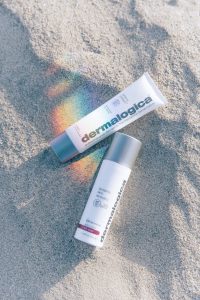
PRISMA PROTECT SPF30
As well as being a hydrating, broad spectrum formula, this SPF contains clever light-activated technology that helps boost skin’s luminosity for a natural glow. It’s also packed with antioxidants to protect against pollution and free-radical damage.
Dermalogica Prisma Protect SPF30